Designing a Platform for the Next Generation of Coin Collectors
NumisToken is a fintech startup reimagining the world of numismatics — transforming traditional coin collecting into a modern, digital-first marketplace where collectors can buy, sell, and authenticate rare coins as NFTs. Currently in pre-launch, the platform is actively building toward its public debut, and I came on board at the ground level as a UI/UX Design Intern working directly with the CEO. I contributed across the full product lifecycle: designing core platform screens, developing the brand's visual identity, creating product mockups and packaging, and building pitch deck materials that helped secure investor funding. My work at NumisToken challenged me to think beyond individual screens and consider how design communicates trust, value, and credibility — especially in a space where collectors are being asked to engage with an entirely new way of owning and trading something they've always held in their hands.
From Brand to Product: Design Thinking at NumisToken
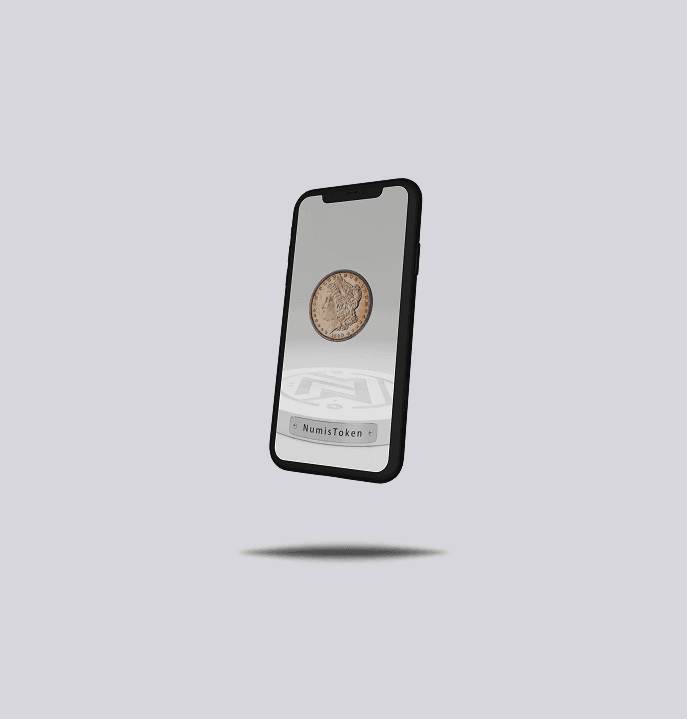
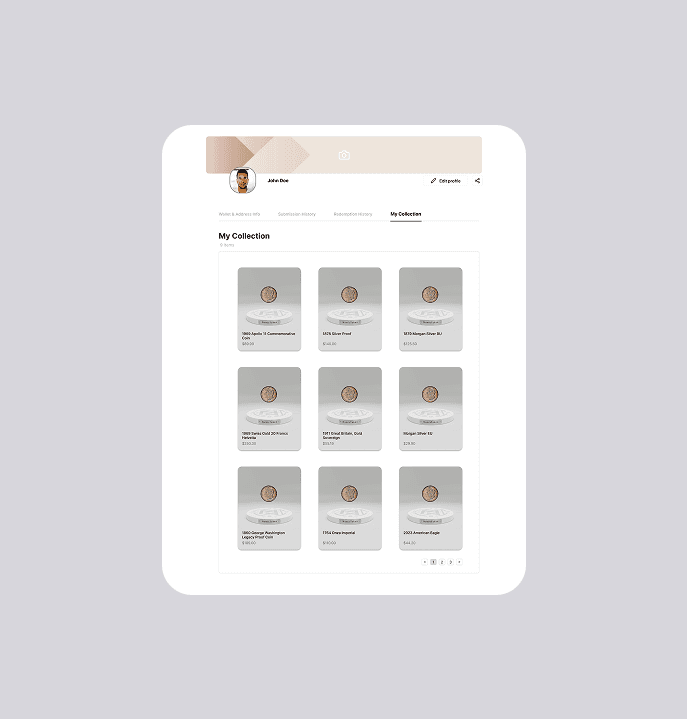
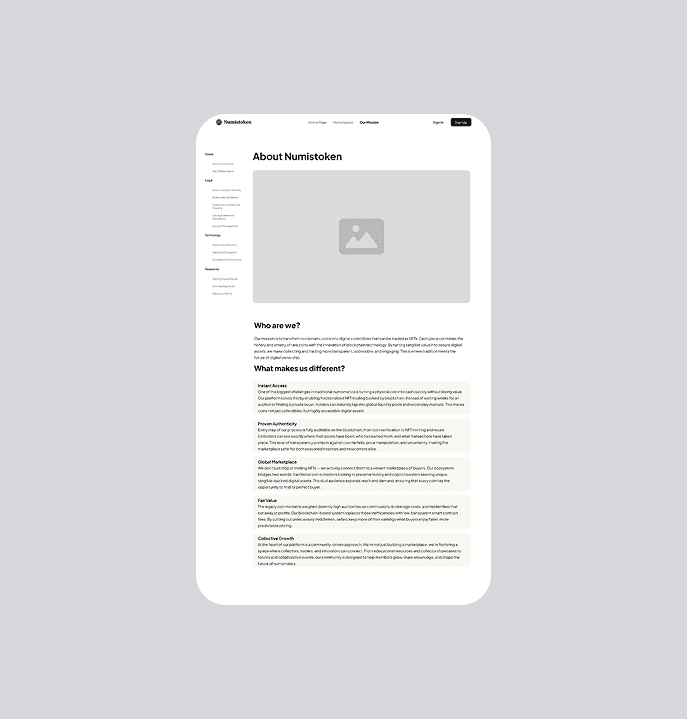
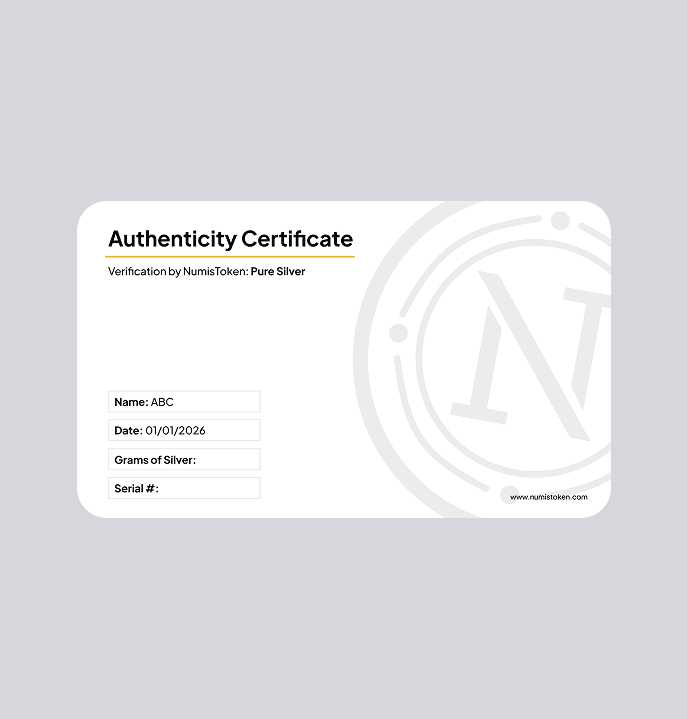
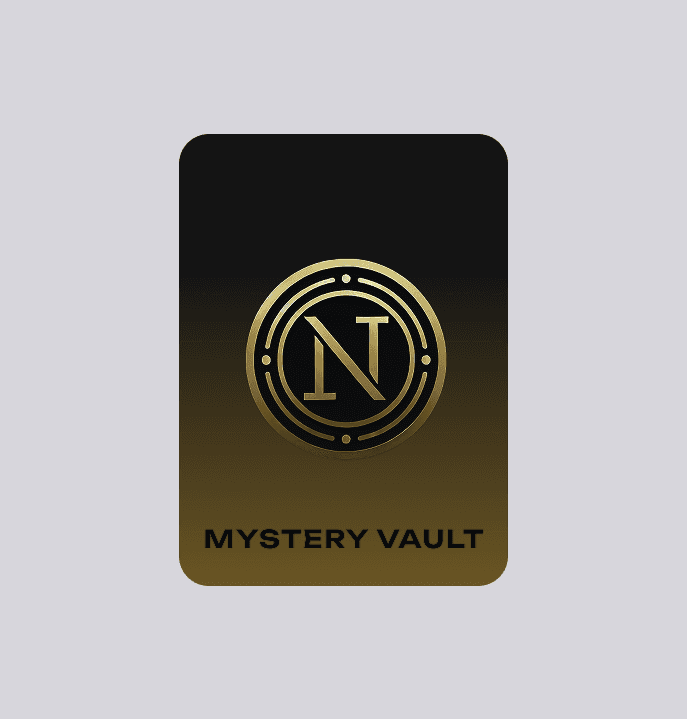
My role at NumisToken was unique in that no two weeks looked the same. One week I was designing platform UI — collector profile pages, marketplace layouts, and the "My Collection" dashboard — and the next I was developing physical product mockups like the Mystery Vault packaging, a mystery coin pouch designed to evoke the premium, collectible feel of the brand. I also designed the NumisToken Authenticity Certificate, a document that needed to feel both official and on-brand, since it serves as a collector's proof of ownership. Across all of it, the core design challenge was the same: how do you make something new feel trustworthy? Numismatics is a hobby rooted in history, tangibility, and expertise, and NumisToken was asking collectors to engage with it digitally. Every design decision — the black and gold color palette, the serif-meets-modern typography, the structured layouts — was made in service of bridging that gap. Working directly with the CEO also meant I was in the room for strategic conversations, contributing to pitch decks and competitive analysis that went in front of real investors. It pushed me to think about design not just as how something looks, but as how it performs in the real world.